Let me C
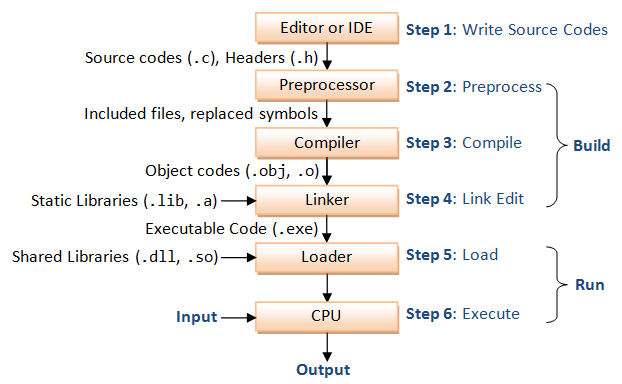
I am reading the book The C Programming Language, 2nd Edition by K&R. As I was going through the preface of the book, I liked this sentence and want to quote it: ‘C wears well as one’s experience with it grows.’ I had experience with C during my Uni days while I was pursuing my electrical engineering degree. I didn’t realize its importance at that point, but I am now realizing the depth of its presence. I am starting fresh from zero - let’s C how far I can C.
1
2
3
4
5
#include <stdio.h>
main()
{
    printf("Hello World\n");
}
To compile and run the script
1
$gcc helloworld.c -o helloworld && ./helloworld
As soon as I compiled it, it threw an error.
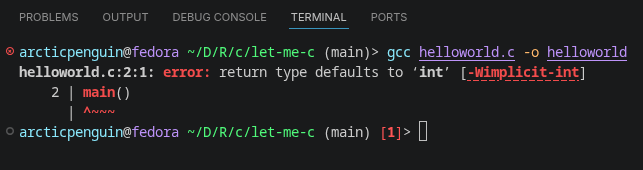
It turns out older C standards (K&R C /C89) allowed implicit init, meaning a function with no return type was assumed to return init. GCC now warns about this(and newer standards like C99/C11 removed it entirely).
1
$gcc -std=c89 helloworld.c -o helloworld
Choosing the C89 standard allowed me to run the code. But the right fix is adding init and it is the correct modern way.
1
2
3
4
5
6
#include <stdio.h>
int main()  // ✅
{
    printf("Hello, World!\n");
    return 0;
}
OR
1
2
3
4
5
6
#include <stdio.h>
int main(void)
{
    printf("Hello, World!\n");
    return 0;
}
Under the hood
There are three layers to it:
1
2
3
4
5
6
7
8
9
10
11
12
13
14
15
16
17
18
19
20
21
22
23
24
─────────────────────────────────────────
  YOUR CODE  (helloworld.c)
  #include <stdio.h>
─────────────────────────────────────────
        │ uses declarations from
        ▼
─────────────────────────────────────────
  HEADER FILES  (/usr/include/stdio.h)
  Just function signatures & macros
  Written by glibc developers
─────────────────────────────────────────
        │ actual code lives in
        ▼
─────────────────────────────────────────
  GLIBC  (/usr/lib64/libc.so.6)
  The real compiled implementation
  of printf, scanf, malloc, etc.
─────────────────────────────────────────
        │ talks to
        ▼
─────────────────────────────────────────
  LINUX KERNEL
  Does the real I/O, memory, etc.
─────────────────────────────────────────
The C Standard Library
It is a collection of pre-written functions that come bundled with your C compiler. Instead of writing everything from scratch, you can use these ready-made functions for common tasks like input/output, math, string manipulation, memory management, etc.
#include is a preprocessor directive- it tells compiler -“before compiling, copy the content of this file into my code”
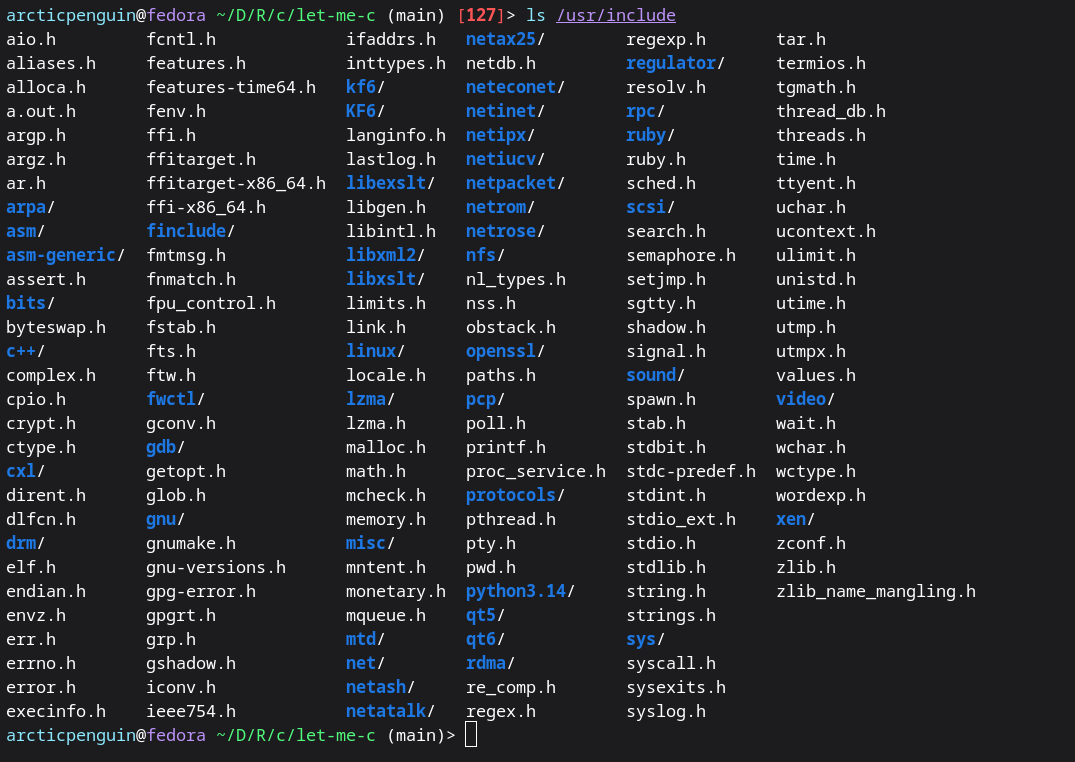
Here is a snippet of the stdio.h file: 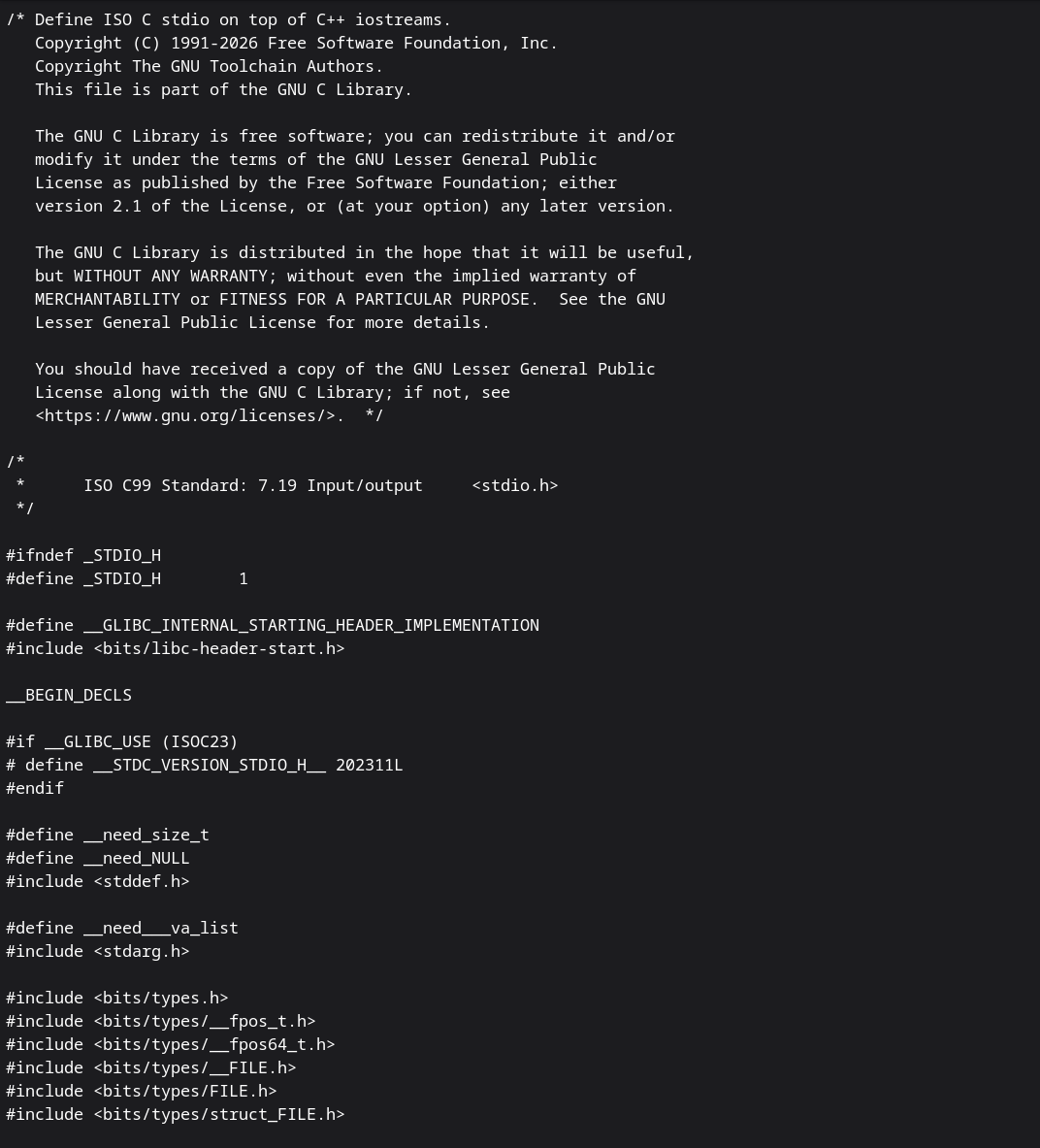
glibc = GNU C Library
It is the actual implementation of the C standard library made by the GNU project. It’s the engine behind all those functions you use.
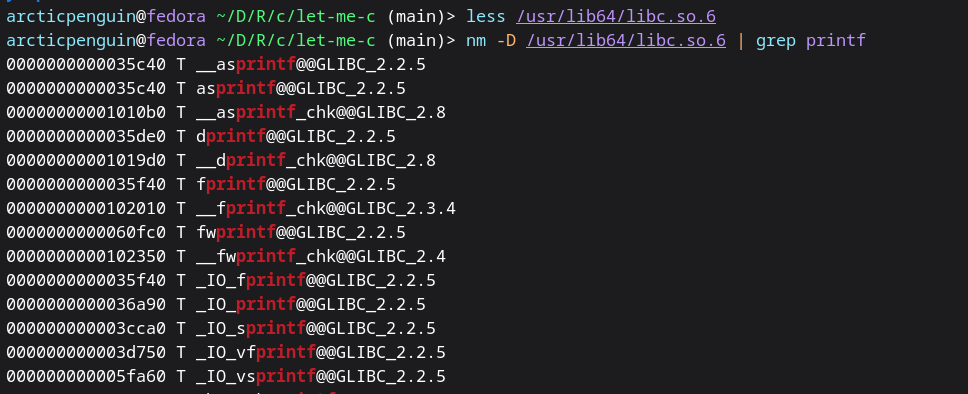
What is a symbol table? - When C source code gets compiled into a binary (.so file), the human-readable function names don’t disappear completely — they leave behind symbols so the system can find and link them at runtime.
What we are seeing is:
1
2
3
4
5
000000000001b110 T a64l
│                │  │
│                │  └── Function name (symbol)
│                └── Symbol type
└── Memory address (where it lives in the file)
When the program calls printf:
1
2
3
4
5
6
7
8
9
10
11
12
13
Our code says "call printf"
        │
        ▼
Linux loader opens /usr/lib64/libc.so.6
        │
        ▼
Looks up "printf" in the symbol table
        │
        ▼
Finds its memory address
        │
        ▼
Jumps to that address and executes the code